Rishikesh is a small Himalayan city with many different sides. The Ganga, old temples, suspension bridges, ashrams, cafés, waterfalls and rafting stretches all attract different kinds of travellers. If you are visiting for the first time, it can be hard to decide where to begin. The most visited place in Rishikesh is usually Triveni Ghat, but it is only one part of a much bigger travel experience.
Some visitors come for prayer and Ganga Aarti. Others want to walk across Ram Jhula, see Beatles Ashram, visit a hill temple or try rafting near Shivpuri. This guide explains the main attractions and how to plan a comfortable visit.
Most Visited Place in Rishikesh: Start with Triveni Ghat
For a first trip, Triveni Ghat is the best starting point. It is easy to reach, sits beside the Ganga and offers a direct view of Rishikesh’s spiritual life. People come for prayer, a riverside walk and the evening Ganga Aarti. Bharat Mandir and local markets are nearby.
| Place | Best for | Suggested time |
|---|---|---|
| Triveni Ghat | Ganga Aarti and riverside prayer | 1–2 hours |
| Ram Jhula | River views, temples and local markets | 1–2 hours |
| Beatles Ashram | History, meditation and street art | 1.5–2 hours |
| Neelkanth Mahadev Temple | A hill temple and scenic drive | Half day |
| Neer Garh Waterfall | Short nature break and walking | 2–3 hours |
| Shivpuri | Rafting and outdoor adventure | Half or full day |
These times are estimates. Crowds, weather, traffic and your pace can change the plan.
That makes Triveni Ghat the most visited place in Rishikesh for many first-time travellers.
1. Triveni Ghat and the Evening Aarti
Triveni Ghat is an important riverfront place in Rishikesh. Its broad steps lead to the Ganga, and the area becomes lively around the evening aarti. Lamps, bells and chanting create a memorable scene, while mornings are quieter.
Arrive early for a clear aarti view. Keep the walkway open, follow local instructions and avoid placing a camera close to people who are praying. For a boat ride, use a licensed operator and wear a life jacket.
2. Ram Jhula and Lakshman Jhula Area
The suspension bridges are recognisable Rishikesh sights. Ram Jhula connects the Ganga banks near Swarg Ashram and Parmarth Niketan. The walk offers river, hill and temple views, with cafés, shops, ashrams and yoga schools nearby.
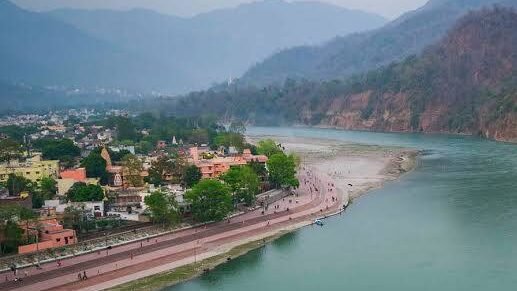
Lakshman Jhula is another famous landmark. Access can change during repair or safety work, so check local instructions. Nearby viewpoints, markets and riverside roads remain worth exploring.
3. Beatles Ashram, Also Called Chaurasi Kutia
Beatles Ashram is in the Swargashram area, inside a quiet forest setting. The Beatles stayed at Maharishi Mahesh Yogi’s ashram in 1968. Today, visitors explore the meditation huts, domes, story panels and colourful murals.
The paths, painted walls and meditation cells are best enjoyed slowly. Wear comfortable shoes, carry water and avoid climbing on old structures. Allow one to two hours.
4. Parmarth Niketan and Swarg Ashram
Parmarth Niketan is a well-known ashram beside the Ganga, associated with yoga, meditation and riverside ceremonies. Visitors may see the Shiva statue, attend an open programme or sit near the river. Confirm the day’s schedule before travelling for a particular event.
Swarg Ashram has ashrams, temples, shops and walking paths. Combine it with Ram Jhula and Gita Bhawan. Dress modestly near temples and keep noise low.
5. Neelkanth Mahadev Temple
Neelkanth Mahadev Temple is a popular hill pilgrimage from Rishikesh. Dedicated to Lord Shiva, it is linked with the traditional story of Samudra Manthan. The forested road is part of the experience.
Plan several hours for travel. Roads are winding, so leave early and check the weather.
6. Neer Garh Waterfall and Other Nature Spots
Neer Garh Waterfall is a popular short nature trip near Rishikesh. The route has steps and natural pools, so wear shoes with a firm grip. Water flow changes after rain; follow local advice before entering water.
For a longer nature day, consider Kunjapuri Temple, Vashishta Gufa or Rajaji National Park. Kunjapuri is known for sunrise views, while Vashishta Gufa offers a quiet riverside setting.
| If you want to… | Choose… | Why it suits you |
|---|---|---|
| Feel the spiritual side of the city | Triveni Ghat | Aarti, prayer and river views |
| See art and modern history | Beatles Ashram | Murals, ruins and the Beatles connection |
| Spend time in a peaceful ashram area | Parmarth Niketan or Swarg Ashram | Yoga, meditation and riverside walks |
| Visit a hill temple | Neelkanth Mahadev | Pilgrimage, forest roads and mountain scenery |
| Enjoy a short outdoor trip | Neer Garh Waterfall | Walking and a refreshing natural setting |
| Try an adventure activity | Shivpuri | Rafting and Ganga valley views |
7. Shivpuri for Rafting and Adventure
Shivpuri is a well-known rafting centre about 19 kilometres from Rishikesh. Routes vary in length and difficulty, so choose an operator that explains the route clearly. Beginners should select one suited to their comfort in moving water.
Rafting depends on river conditions and permissions. Wear safety equipment, listen to the guide and keep valuables secure. The Ganga valley drive is a good alternative.
A Simple One-Day Rishikesh Plan
A one-day Rishikesh plan works better when you group nearby places together. Use this table as a simple guide for timing, travel and the best order to explore.
| Time | Plan |
|---|---|
| Morning | Walk near Ram Jhula and explore Swarg Ashram |
| Late morning | Visit Beatles Ashram or a nearby riverside café |
| Afternoon | Rest, eat lunch and visit Bharat Mandir or local markets |
| Evening | Reach Triveni Ghat for the Ganga Aarti |
| Night | Return to your stay without rushing through crowded lanes |
Keep one flexible hour for delays, weather changes and a calm walk by the river after sunset.
With two or three days, keep Neelkanth Mahadev, Neer Garh Waterfall or Shivpuri for another day. This leaves time for yoga or a riverside walk.
Best Time and Practical Travel Tips
Autumn, winter and early spring are commonly comfortable for sightseeing. October to November and February to April suit many outdoor plans. Summer afternoons can be warm, while monsoon rain may affect roads, waterfalls and rafting. Check the local forecast before a hill or river trip.
Carry modest clothing, water, sun protection and comfortable shoes. Keep belongings secure. Do not feed monkeys, litter near the river or enter restricted water areas.
Final Advice for Your Rishikesh Visit
The most visited place in Rishikesh can be a helpful starting point, but the city is not only one landmark. Triveni Ghat shows its devotional side, Ram Jhula brings river views, Beatles Ashram adds history and art, while Neelkanth, waterfalls and Shivpuri lead into the hills. Choose two or three experiences instead of rushing through everything. A slower visit gives you time to notice the river, mountain air and quiet rhythm of Rishikesh.
Triveni Ghat is one of the city’s most visited attractions because it is easy to reach and known for the Ganga Aarti. Ram Jhula, Beatles Ashram and Parmarth Niketan are also very popular.
Two full days cover the main ghats, bridges, Beatles Ashram and one nearby activity. Three or four days are better for rafting, Neelkanth Mahadev, a waterfall and time for yoga.
Start with Triveni Ghat, then walk around Ram Jhula and Swarg Ashram for river views, temples, markets and local atmosphere.