Choosing the rishikesh best time to visit depends on what you want to do. Yoga travellers usually prefer calm, comfortable months, while rafting guests look for safe river conditions and clear weather. Sightseers may enjoy cool mornings, open roads and views of the Ganga. This guide explains the seasons in simple language so you can plan your stay with the right expectations.
Rishikesh best time to visit by season
Every season changes the weather, crowd levels and activities available in Rishikesh. Use this table to compare the months before booking your trip.
| Season | Months | Weather | Best for | Things to note |
|---|---|---|---|---|
| Spring | February to April | Mild days and pleasant mornings | Yoga, walks, rafting and sightseeing | Popular around holidays |
| Summer | May to June | Warm afternoons and lighter evenings | Early activities, yoga and waterfalls | Plan outdoor visits before noon |
| Monsoon | July to September | Rain, humid air and greener hills | Quiet retreats and indoor wellness | Rafting and trails may close |
| Autumn | October to November | Clearer skies and comfortable days | Rafting, hiking, temples and photography | Book popular weekends early |
| Winter | December to January | Cool mornings and cold evenings | Yoga courses, cafés and peaceful stays | Carry warm layers |
Spring: a balanced season for most travellers
February, March and April offer a useful balance between comfortable weather and outdoor activities. Mornings are usually pleasant for a yoga class, a walk across Ram Jhula or a visit to Triveni Ghat. Afternoons can become warmer, but the heat is normally easier to manage than in late May. The river valley looks fresh, and the surrounding hills are good for short hikes when the sky is clear.
Spring suits first-time visitors because you can combine several experiences without changing your routine too much. Attend a meditation session in the morning, explore an ashram or temple after breakfast, and keep rafting or a waterfall walk for a cooler part of the day. If you want a quiet room near the river, reserve early during school holidays and festival weekends.
Autumn: clear skies and strong outdoor conditions
October and November are often considered the rishikesh best time to visit for travellers who want a full activity list. The monsoon has usually passed, the roads begin to dry and the views across the valley become clearer. Rafting operators normally see strong demand, and popular cafés, bridges and ghats feel lively without the intense summer heat.
This is a good season for a first rafting trip, a day at Neer Garh Waterfall or a sunrise walk toward Kunjapuri. Conditions can still change in the hills, so confirm river trips, road routes and local timings with your hotel or activity provider. Start sightseeing early because bright afternoons can attract more visitors at the main landmarks.
Winter: ideal for yoga and slow travel
December and January bring cool air, especially before sunrise and after sunset. Days are often comfortable for walking, temple visits and café time. Winter is popular with students joining yoga teacher training or wellness programmes because the cooler temperature makes long classes easier. A warm jacket, socks and a light shawl are useful in simple ashram rooms.
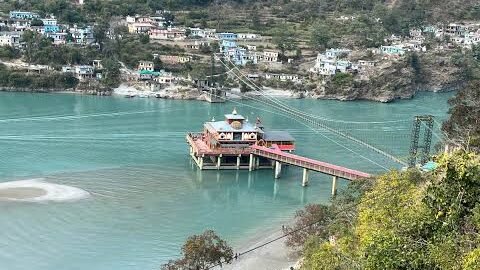
Winter mornings may be misty, and mountain views are not guaranteed every day. Do not plan a viewpoint visit only for a photograph; leave a flexible morning in your itinerary. The quieter rhythm works well for people who want to read, meditate or spend more time beside the Ganga instead of rushing between attractions.
Summer: warm days but useful early hours
May and June can be hot in the afternoon, but the season is still manageable if you organise your day carefully. Schedule yoga, riverside walks and temple visits early. Rest indoors during the strongest sun, then explore cafés, markets or evening aarti after the temperature drops. Families should carry water, hats and sun protection for children.
Water-based activities may feel refreshing in summer, but choose an established operator and follow the guide’s instructions. Wear secure footwear near rocks, avoid isolated river areas and never assume that a calm-looking stretch is safe for swimming. Waterfalls can be attractive after warm days, yet slippery stones need the same care in every season.
Monsoon: green scenery with flexible planning
July to September brings frequent rain, fuller streams and bright green slopes. The scenery can be beautiful, but rain changes travel plans quickly. Strong flow or unsafe river conditions may lead to rafting closures. Footpaths near waterfalls become slippery, and hill roads can face fog, falling rocks or temporary delays. Check local updates before leaving your accommodation.
Monsoon can work for a peaceful wellness retreat if you are happy with indoor classes and unhurried days. Bring a waterproof layer, shoes with grip and a phone cover. Keep one buffer day if your journey includes a hill excursion. Avoid standing close to river edges during heavy rain, even when the water appears calm from a distance.
Choose your month by the experience you want
The right month depends on whether you want yoga, rafting, sightseeing or quiet travel. This table connects each experience with the most suitable season.
| Your main plan | Useful months | Why it works | Simple planning tip |
|---|---|---|---|
| Yoga and meditation | October to April | Cooler mornings support longer classes | Choose a programme with a daily rest period |
| River rafting | February to June and October to November | Operators usually run when river and weather conditions allow | Confirm operation on the day |
| Waterfalls and short hikes | February to June and October to November | Paths are generally easier outside heavy rain | Wear grip shoes and carry water |
| Aarti and temple visits | Most of the year | These activities do not depend on one season | Check daily timings and arrive early |
| Quiet budget stay | July to September | Fewer visitors can mean a slower experience | Keep plans flexible for rain |
How long should you stay?
A three-day trip is enough for a first overview: keep one morning for yoga or meditation, one day for rafting or a nature outing, and one evening for Ganga aarti and local markets. A five- to seven-day stay gives you time to rest, add an ashram programme and take a day trip without making every day feel rushed.
The rishikesh best time to visit does not remove the need for practical planning. Accommodation near Tapovan can be lively, while areas close to Swarg Ashram may feel slower. Ask about road access, hot water, air conditioning and walking distance before booking. During peak months, reserve transport and activities ahead; during monsoon, choose a flexible cancellation policy.
Quick packing checklist
Packing is easier when you match your clothes and essentials to the season. Use this checklist before leaving for Rishikesh.
| Item | Why it helps |
|---|---|
| Light cotton clothes | Useful in spring and summer |
| Warm layer | Important for winter mornings and evenings |
| Rain jacket or poncho | Helpful from July to September |
| Comfortable walking shoes | Safer on bridges, steps and uneven paths |
| Reusable water bottle | Keeps you hydrated during sightseeing |
| Small first-aid kit | Useful for minor cuts, blisters or headaches |
Frequently asked questions
What is the rishikesh best time to visit for a first trip?
October to April is a comfortable choice for most first-time visitors. You can usually combine yoga, temples, walks and outdoor activities, but always confirm current river and road conditions.
Is Rishikesh too hot in May and June?
Afternoons can be hot, but early mornings and evenings remain useful for activities. Plan outdoor visits before noon, rest during peak sun and drink water regularly.
Can I visit Rishikesh during the monsoon?
Yes, if you prefer greenery, quiet stays and indoor wellness. Keep your schedule flexible because heavy rain can affect rafting, waterfalls, hill roads and hiking routes.
Which season is best for a yoga retreat?
Many visitors choose October to April for cooler class conditions. The right choice also depends on the school, accommodation and your comfort with heat or rain.
In the end, the rishikesh best time to visit is the season that matches your main purpose and allows a little flexibility. Choose clear months for outdoor adventures, cooler months for focused yoga, and monsoon only when you are comfortable with slower plans. With sensible clothing, local checks and an unhurried schedule, Rishikesh can be rewarding in every season.
October to April is a comfortable choice for most first-time visitors. You can usually combine yoga, temples, walks and outdoor activities, but always confirm current river and road conditions.
Afternoons can be hot, but early mornings and evenings remain useful for activities. Plan outdoor visits before noon, rest during peak sun and drink water regularly.
Yes, if you prefer greenery, quiet stays and indoor wellness. Keep your schedule flexible because heavy rain can affect rafting, waterfalls, hill roads and hiking routes.
Many visitors choose October to April for cooler class conditions. The right choice also depends on the school, accommodation and your comfort with heat or rain.