Neelkantheshwar Mandir, commonly known as Neelkanth Mahadev Temple, is a well-known Shiva temple in the forested hills near Rishikesh. Pilgrims visit for worship, while travellers also enjoy the winding road, valley views and peaceful mountain setting. This guide explains the route, distance, temple visit, suitable clothing and how to plan the journey without rushing.
Why Neelkantheshwar Mandir is important
The temple is linked with the story of Samudra Manthan. According to the traditional story, Lord Shiva drank the poison that emerged during the churning of the cosmic ocean. His throat turned blue, which is why he is remembered as Neelkanth. The temple sits among forested valleys near the confluence of the Madhumati and Pankaja rivers.
| Travel detail | Information |
|---|---|
| Common name | Neelkanth Mahadev Temple |
| Location | Pauri Garhwal hills near Rishikesh |
| Distance from Rishikesh | About 22 km via Ram Jhula or about 32 km via the Barrage route |
| Altitude | Around 926 metres |
| Best suited for | Pilgrimage, temple visits and a scenic hill drive |
How to reach from Rishikesh
There are two commonly discussed road approaches. The Ram Jhula side is shorter on paper, while the Barrage route may suit travellers starting from another part of Rishikesh. Ask a local driver to confirm the open and practical route on the day of travel because road work, weather and traffic can affect the journey.
A private taxi is usually the simplest option for families, older travellers and visitors who want to stop for views. Shared vehicles may be available near transport points, but timings can be less predictable. The road is winding, so carry water, keep motion-sickness medicine if needed and avoid planning several distant attractions on the same day.
Route choices at a glance
Use this comparison to choose an approach that matches your starting point and comfort. The exact travel time can change during festivals and busy weekends.
| Route idea | Approximate distance | Best for |
|---|---|---|
| Via Ram Jhula | About 22 km | Travellers staying near Swarg Ashram or Ram Jhula |
| Via Barrage | About 32 km | Visitors starting from central or eastern Rishikesh |
| Local taxi | Flexible | Families, groups and pilgrims carrying bags |
| Shared transport | Less predictable | Budget travellers with extra time |
What to expect at the temple
The temple area is active during religious festivals and quieter on ordinary days. You may see devotees offering flowers, water and other approved items. Follow the temple’s current instructions instead of assuming that every offering is allowed. Keep your phone and belongings secure, and avoid blocking the entrance while taking photographs.
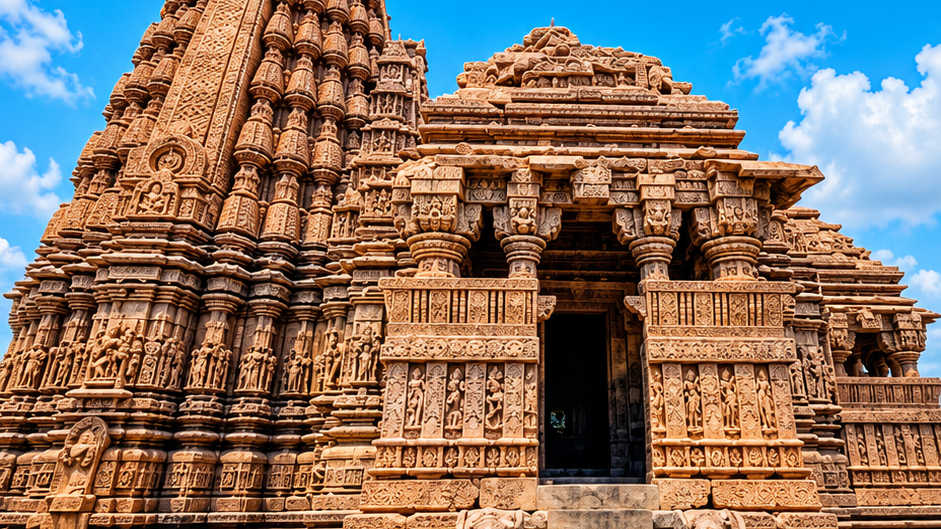
Dress modestly and wear comfortable footwear. The temple visit itself may be short, but queues can become longer during Mondays, Shravan, Maha Shivratri and other important occasions. Leave early if you want cooler weather and a calmer approach road.
Best time to visit Neelkantheshwar Mandir
October to April is often comfortable for a hill drive, with cool mornings in winter. Summer can be warm in the afternoon, so start early. Monsoon rain makes the forest greener but can also bring slippery roads, falling stones and delays. Check the weather before leaving and do not continue if local authorities advise against travel.
A comfortable one-day plan
The temple is easiest to combine with nearby Rishikesh places rather than far-away destinations. Keep a time buffer for traffic, queues and the return drive.
| Part of day | Suggested plan |
|---|---|
| Early morning | Leave your stay after a light breakfast and carry water. |
| Morning | Reach the temple, complete darshan and spend quiet time nearby. |
| Late morning | Return carefully; stop only at safe viewpoints or marked areas. |
| Afternoon | Lunch and rest in Rishikesh rather than adding a long detour. |
| Evening | Choose a riverside walk or aarti if you still have energy. |
Practical temple etiquette
- Wear respectful clothing and keep voices low inside the temple area.
- Follow queue, footwear and photography instructions given by temple staff.
- Do not leave plastic, food waste or flowers on the road or in the forest.
- Use a trusted driver on winding roads and avoid stopping on blind bends.
- Keep the return journey before dark during poor weather or low visibility.
What can you combine with the temple visit
Neelkantheshwar Mandir works best as a focused half-day or full-day outing. After returning, you can choose a riverside walk, a quiet meal near Swarg Ashram or an evening aarti in Rishikesh. Avoid combining the temple with too many far-away waterfalls or hill viewpoints because the return road takes time. If you are staying near Ram Jhula, leave early and keep the afternoon open for rest.
Visitors who want a more spiritual day can spend a little time at an ashram before or after the drive, but schedules differ. Confirm whether a programme is open to visitors rather than assuming entry. The temple route itself is the main experience, so a simple plan often feels better than trying to cover every nearby attraction.
Is the journey suitable for families
Families can visit the temple if everyone is comfortable with a winding hill road and a slower travel day. Keep medicines, water and light snacks within reach, and plan stops only at safe, marked places. Older visitors may prefer a private car because it avoids changing vehicles and gives the driver more control over the pace. Children should stay close to adults near the road, steps and crowded temple areas. A calm visit with enough breaks is more enjoyable than arriving tired after too many stops.
Frequently Asked Questions
These short answers cover the questions travellers usually ask before planning this trip. Conditions can change, so confirm local rules before leaving.
Is Neelkantheshwar Mandir the same as Neelkanth Mahadev Temple?
In the Rishikesh travel context, Neelkantheshwar Mandir usually refers to Neelkanth Mahadev Temple, the Shiva temple in the nearby Pauri Garhwal hills.
How far is Neelkantheshwar Mandir from Rishikesh?
Government information lists about 22 km via Ram Jhula and about 32 km via the Barrage route. Your actual distance depends on the starting point and route used.
Can I visit Neelkantheshwar Mandir during monsoon?
You can, but road and weather conditions need extra care. Check local advice before leaving and avoid travel during heavy rain or landslide warnings.